Public Speaking
I help leaders understand why things should work but don’t.
My keynotes help leaders recognize the patterns shaping leadership, organizational change, and execution.
Audiences leave seeing their organizations differently, with language they can use the very next day.
Current Talks
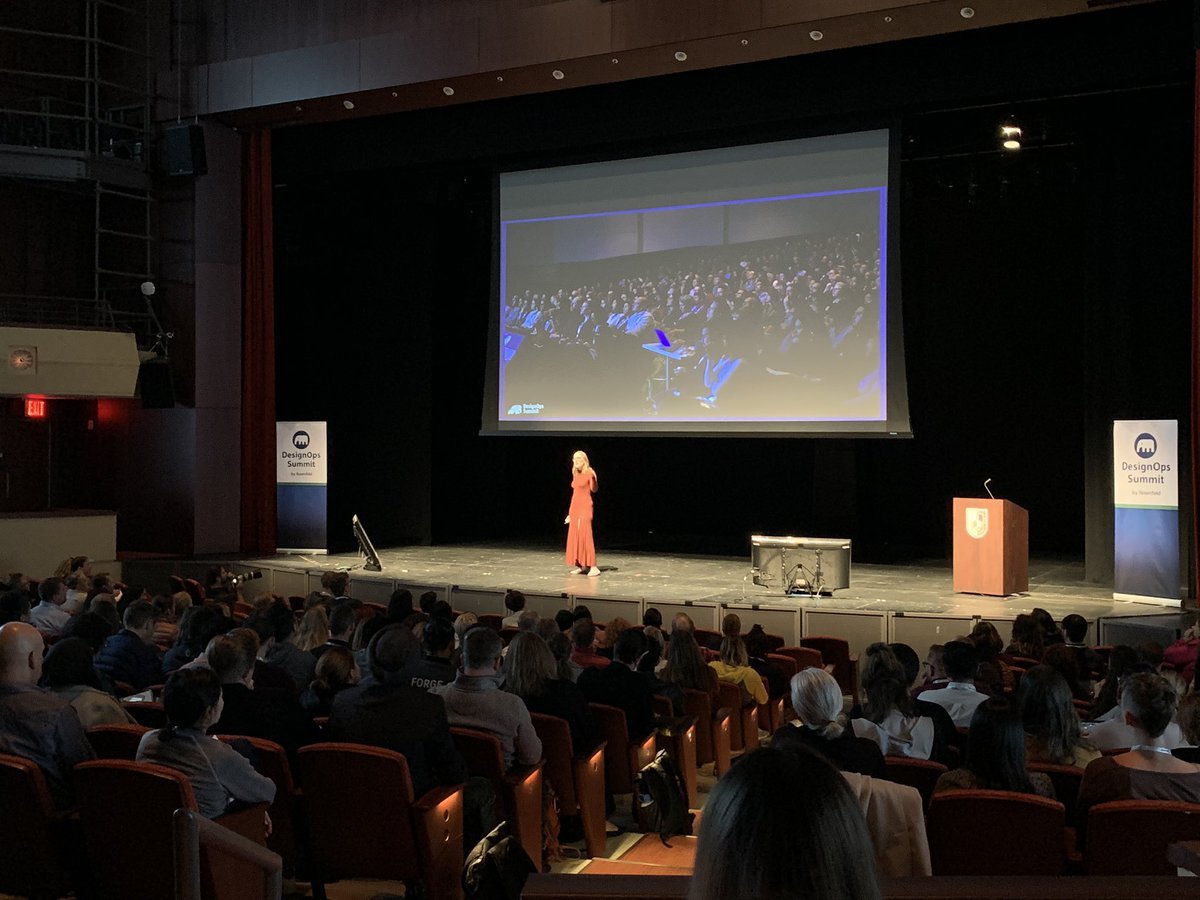
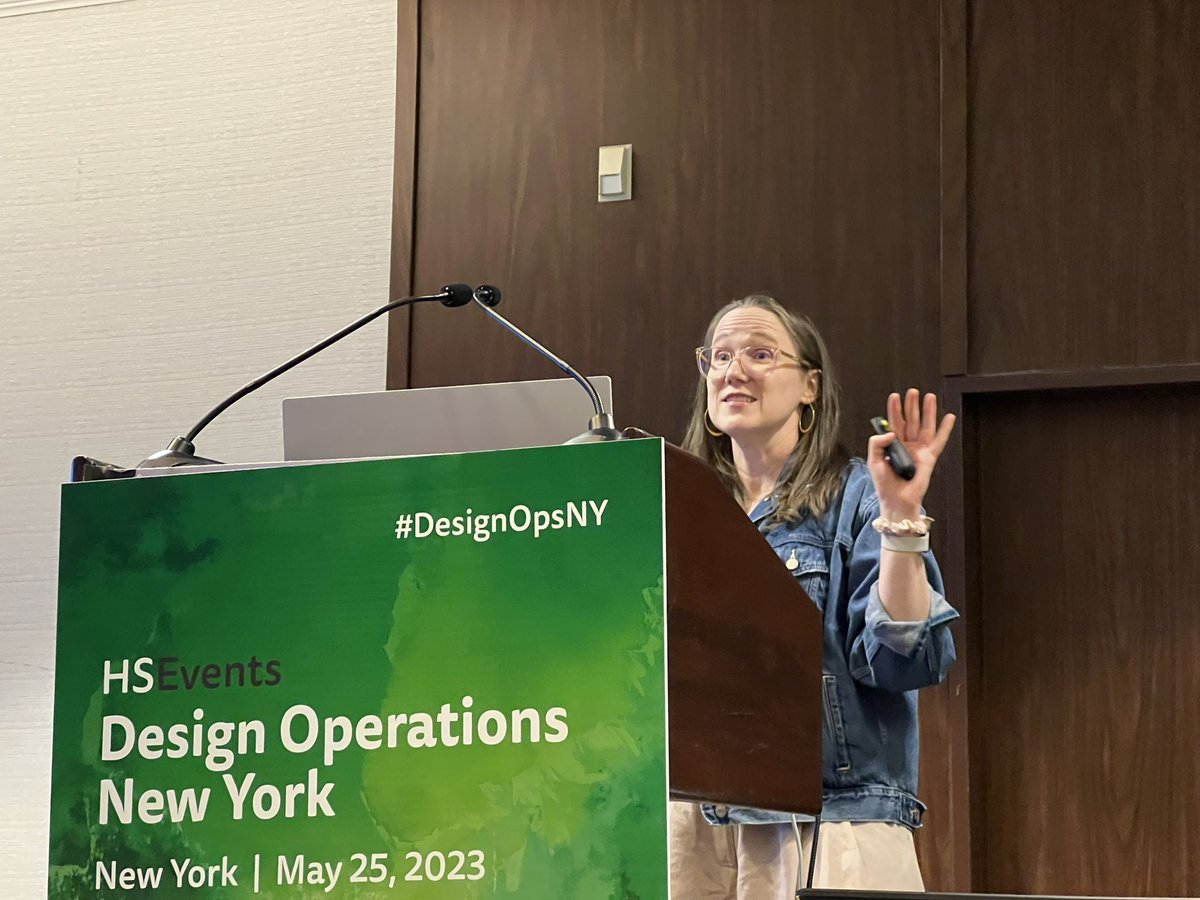
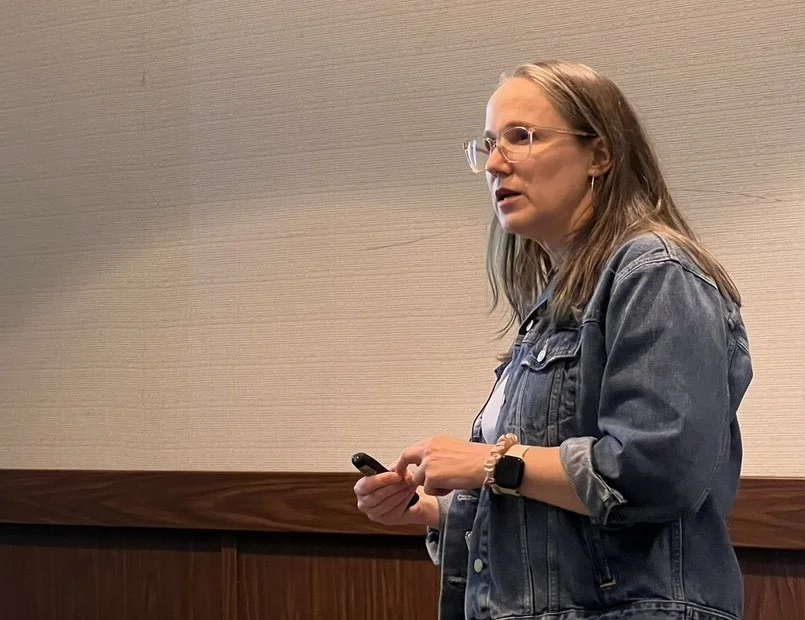
Indra On Stage
Nobody Asked Us
Recognizing the Patterns That Shape Organizational Change
Organizations are always sending signals. The challenge isn't seeing them. It's knowing what they mean.
For nearly twenty years, Indra Klavins has helped leaders navigate growth, restructuring, integration, and transformation. Across organizations of every size, she's observed the same thing: the patterns shaping behavior are often hiding in plain sight.
In this keynote, audiences learn to recognize those patterns before they become expensive, giving leaders a practical framework for interpreting the human signals that dashboards can't capture.
Audience members leave with practical ways to recognize when:
Silence signals problems, not progress.
Resistance is often unacknowledged uncertainty.
Seemingly irrational behavior is a rational response to the system people are operating within.
Unacknowledged loss becomes organizational friction.
Invisible work becomes organizational risk.
Whether your organization is restructuring, scaling, adopting AI, or navigating another period of significant change, this keynote gives leaders the language to recognize emerging patterns and intervene before small signals become expensive problems.
Making AI Legible
Bridging the Gaps Between AI and Practical Application
Work people can’t see becomes work they don’t trust.
That creates a significant challenge for organizations adopting AI. The tools are changing quickly, the vocabulary keeps expanding, and even technologically confident people can struggle to understand what AI can actually do and where it belongs in their work.
Without that understanding, people start talking past one another. Technical experts, organizational leaders, and the people expected to use AI may all be discussing the same technology while operating from very different assumptions.
In this talk, audiences learn to recognize when:
Different levels of understanding are preventing meaningful conversation.
People lack the shared understanding needed to move from possibility to practical application.
AI adoption is being treated as a one-time rollout rather than a continuous process of learning and adaptation.
Drawing on more than twenty years of experience helping people navigate complex technological and organizational change, Indra offers a practical approach to bridging the distance between those closest to AI and the people being asked to use it.
As AI continues to evolve, the organizations that benefit from it will not simply be the ones with access to the best tools. They will be the ones that help people understand what those tools can do, how they affect their work, and where they can be meaningfully applied.
Select Past Talks
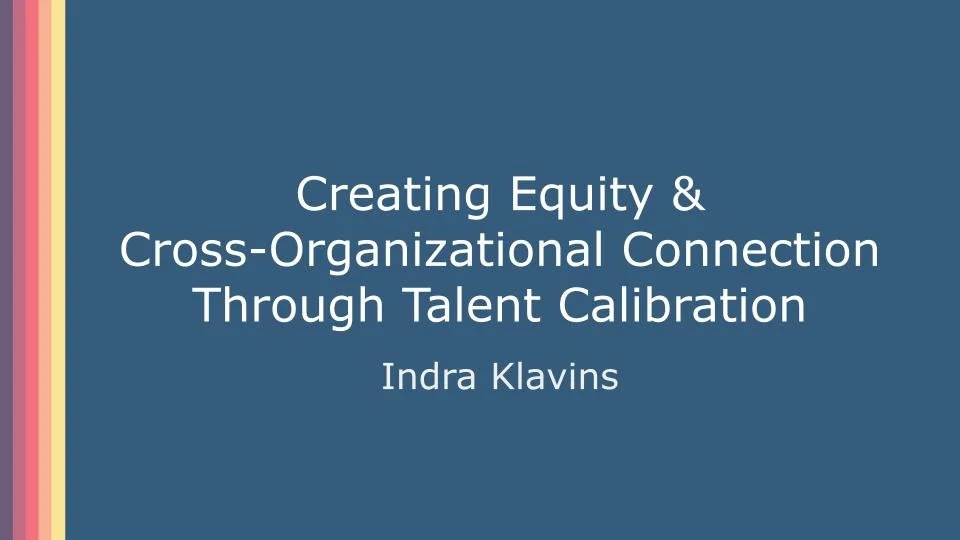
Creating Equity & Cross-Organizational Connection Through Talent Calibration
Strong design organizations have well-defined career ladders that help team members understand what success looks like for their role. The best design organizations operationalize their ladders to help people navigate their careers and ensure that leaders evaluate their talent equitably and consistently across the entire organization, not just within a specific team.
In this talk, we will learn how blind calibration sessions conducted semi-annually can break down geographic and organizational siloes for the betterment of individuals, teams, and the organization.
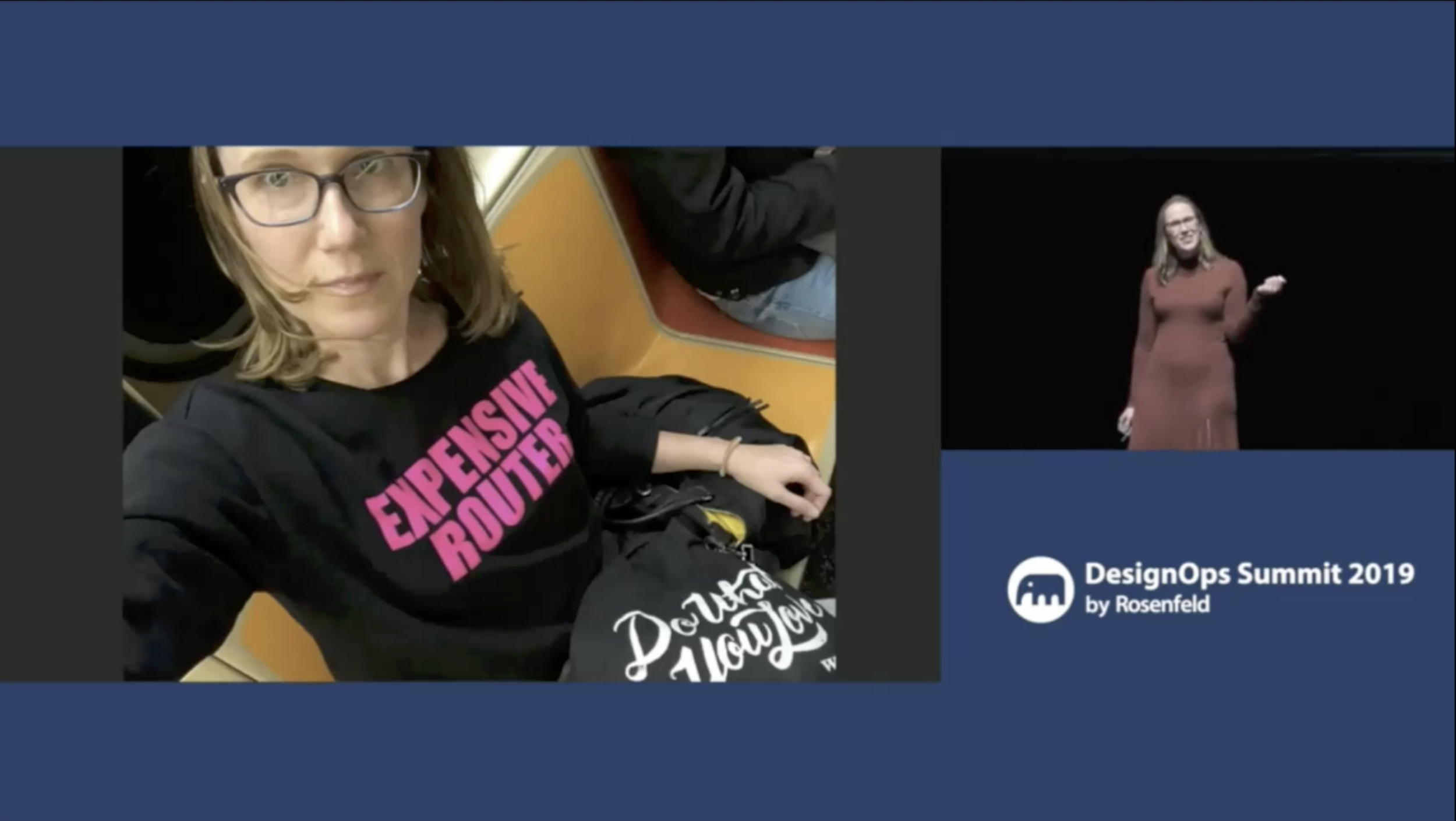
Expensive Routers Create Connections: A DesignOps Girl in a DevOps World
DevOps has spent a decade focused on tooling that allows developers to code, deploy, monitor, and optimize quickly and efficiently. Along the way, many within that community forget that the people within that community and the developers that they serve are, first and foremost, people. Hear what happens when a Design Ops professional finds herself embedded in a DevOps team, helps them see each other as people, and applies a bit of design thinking, tools and techniques to help them learn the skills necessary as the people they serve move from the information age to the conceptual age.
Select Podcasts & Panel Discussions
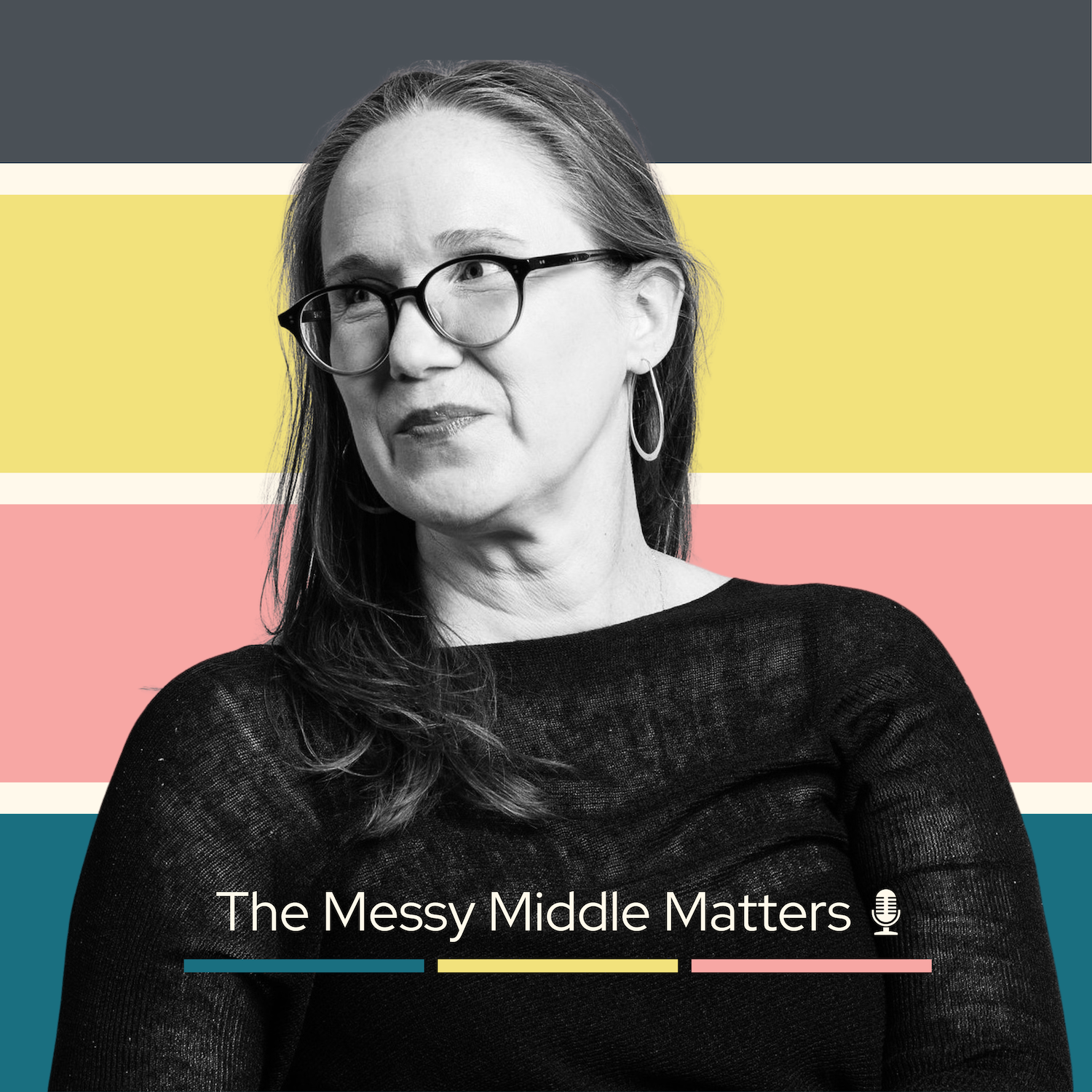
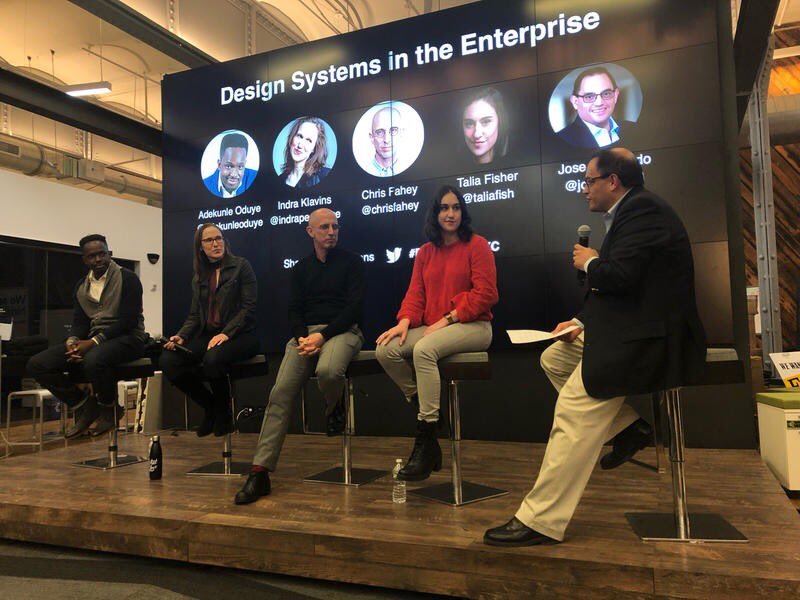
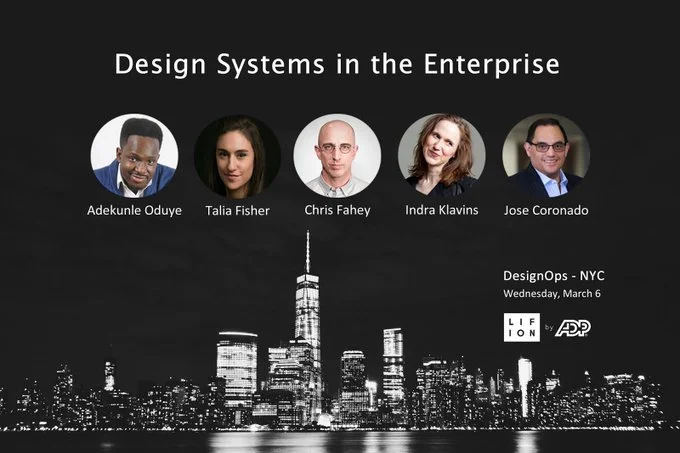
As Seen In